
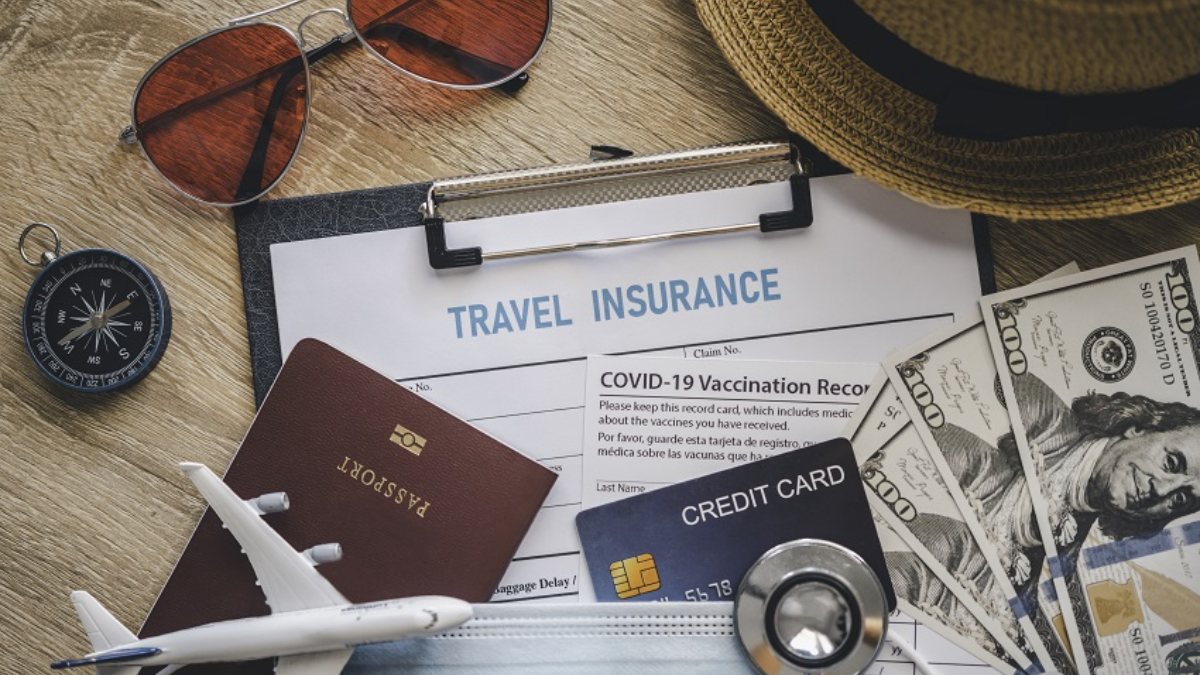
Traveling—whether for vacation, work, education, or family visits—is an exciting experience. However, unexpected events like medical emergencies, flight cancellations, lost luggage, or passport issues can turn your trip into a stressful and costly ordeal. This is where travel insurance becomes valuable. Travel insurance protects you financially during trips and ensures that unforeseen problems do not ruin your journey. In this comprehensive guide, you’ll learn what travel insurance is, how it works, its benefits, drawbacks, and when it is worth buying.
What Is Travel Insurance?
Travel insurance is a financial product that provides protection against various risks associated with traveling. It covers medical emergencies abroad, trip cancellations, delays, lost baggage, personal liabilities, and more. Depending on the plan, it applies to domestic travel, international trips, single journeys, or multiple annual travels. In short, it acts as a safety net when things don’t go as planned during your trip.
Types of Travel Insurance
1. Single-Trip Travel Insurance
Covers one specific journey from departure to return. Ideal for family vacations, business trips, or one-time travel plans.
2. Multi-Trip or Annual Travel Insurance
Perfect for frequent travelers. It offers unlimited trips within a year without buying a new policy every time.
3. Domestic Travel Insurance
Provides protection for travel within your home country. Covers trip delays, medical emergencies, and lost baggage.
4. International Travel Insurance
Covers overseas travel where medical costs, flight delays, or lost documents can be extremely expensive.
5. Student Travel Insurance
Designed for students studying abroad. Covers tuition loss, medical emergencies, sponsor protection, and study interruption.
6. Corporate Travel Insurance
Purchased by companies for employees traveling for work. Covers multiple risks associated with business trips.
7. Senior Citizen Travel Insurance
Focused on elderly travelers with higher health risks. Covers medical emergencies, hospitalization, and pre-existing disease risks (sometimes with limits).
Key Features of Travel Insurance
Medical Coverage
Covers emergency hospitalization, doctor consultations, diagnostic tests, ambulance services, and sometimes dental treatments.
Trip Cancellation and Interruption
If you have to cancel or cut short your trip due to illness, bad weather, or emergencies, the policy reimburses prepaid expenses.
Lost or Delayed Baggage
Reimburses you for essential purchases if your luggage is delayed or fully compensates for lost baggage.
Passport and Document Protection
Covers expenses for getting a duplicate passport or reissuing essential travel documents.
Flight Delay Coverage
Compensates for unexpected delays depending on the number of hours you are stuck at the airport.
Personal Liability Cover
Protects you if you accidentally injure someone or damage property during your trip.
Hijack Distress Allowance
Some policies offer a daily allowance in case of hijacking incidents.
Adventure Sports Coverage
Optional add-on for activities like skiing, scuba diving, trekking, or skydiving.
Pros of Travel Insurance
1. Protection Against Costly Medical Emergencies
Healthcare costs abroad, especially in countries like the USA or Europe, are extremely high. A small medical issue can cost thousands. Travel insurance provides financial protection and peace of mind.
2. Covers Trip Cancellations
Plans change unexpectedly due to illness, visa issues, or family emergencies. Travel insurance ensures you don’t lose your prepaid flight and hotel fees.
3. Helps With Lost or Delayed Luggage
Lost baggage is common, especially on international flights. Travel insurance compensates you for losses and helps you buy essentials during delays.
4. Useful for International Visa Applications
Many countries require mandatory travel insurance for visa approval, such as Schengen nations.
5. Protects You During Adventure Activities
If you plan to participate in sports or adventure activities, special coverage reduces financial risks.
6. Offers Peace of Mind
Traveling becomes stress-free knowing you’re protected from unpredictable situations.
Cons of Travel Insurance
1. Policy Exclusions
Not all claims are covered. Pre-existing diseases, risky behavior injuries, or unapproved travel destinations may be excluded.
2. Claim Documentation Can Be Extensive
You need medical bills, police reports, or airline letters to file a claim, which can feel overwhelming.
3. Some Claims May Be Rejected
Incorrect documentation, undisclosed medical conditions, or policy violations can lead to claim rejection.
4. Additional Travel Cost
Travel insurance adds extra cost to your trip, although it’s usually small compared to the protection it offers.
5. Misunderstanding Terms and Conditions
Travelers often don’t read their policy fully, leading to confusion during claims.
Is Travel Insurance Worth It?
When It Is Absolutely Worth Buying
Travel insurance is worth it in situations where financial loss could be huge or emergencies are likely:
1. International Travel
Medical costs abroad are extremely expensive. Travel insurance is essential.
2. Trips with Expensive Bookings
Non-refundable flights, hotels, and tours can lead to heavy losses if canceled.
3. Adventure or Sports Trips
Travel insurance with adventure cover protects you from injury-related expenses.
4. Traveling with Family or Children
Extra protection is necessary due to higher medical risk and uncertainty.
5. Student Travel
Protects tuition fees and medical emergencies during long stays abroad.
6. Senior Citizen Travel
Medical emergencies are more likely, making insurance critical.
7. Visa Requirements
Some countries require mandatory travel insurance.
When Travel Insurance Might Not Be Worth It
In certain rare situations, you can skip travel insurance:
1. Short Domestic Trips With Low Risk
If your trip is inexpensive and within your home country, the risk is minimal.
2. Fully Refundable Tickets and Stays
If everything is flexible and refundable, coverage may feel unnecessary.
3. Trips Covered Under Credit Card Insurance
Some premium credit cards include free travel insurance. However, coverage limits may be low.
How to Choose the Right Travel Insurance Policy
1. Assess Your Trip Type
Is it domestic, international, student-related, corporate, or adventure-based? Choose a plan matching your travel purpose.
2. Consider Your Health Condition
If you have pre-existing conditions, choose plans offering coverage with minimal exclusions.
3. Check Medical Coverage Limits
Ensure the medical coverage is sufficient for the country you are visiting.
4. Look for Baggage and Travel Delay Benefits
Comprehensive plans include coverage for lost baggage, delayed flights, and missed connections.
5. Know the Exclusions
Understanding exclusions helps you avoid claim rejection later.
6. Check If Adventure Activities Are Covered
If your trip includes sports or adventurous activities, ensure they are included or add an adventure rider.
7. Compare Multiple Plans
Compare premiums, coverage, network hospitals, and claim processes before buying.
8. Check Claim Settlement Ratio
A high claim settlement ratio indicates the insurer is reliable.
9. Look for Add-Ons
Add-ons such as theft protection, rental vehicle coverage, and emergency evacuation increase safety during travel.
10. Choose Cashless Claim Support
Cashless facilities make medical emergencies easier to manage abroad.
Common Mistakes to Avoid When Buying Travel Insurance
1. Buying the Cheapest Policy
Cheap policies often have low coverage and many exclusions.
2. Not Understanding the Coverage
Always read what is included and excluded.
3. Ignoring Adventure Riders
If your trip involves skiing, diving, or trekking, adventure coverage is essential.
4. Not Checking Destination Restrictions
Some policies don’t cover travel to certain high-risk regions.
5. Forgetting Pre-existing Conditions
Not disclosing medical history may lead to denied claims.
Tips to Make the Most of Your Travel Insurance
Carry Soft and Hard Copies
Keep digital and physical copies of your policy.
Keep Emergency Contacts Handy
Maintain the insurer’s emergency number for quick support.
Submit Documents on Time
Faster claim submission improves approval chances.
Understand the Claim Procedure
Know whether the insurer offers cashless or reimbursement options.
Check Travel Advisories
Some policies may not cover regions marked unsafe by government advisories.
Conclusion
Travel insurance is a small investment that offers enormous financial and emotional protection. Whether it’s medical emergencies, lost baggage, trip interruption, or unexpected delays, travel insurance ensures that your journey remains secure and stress-free. While it may feel like an extra cost, its value becomes clear when things go wrong. By understanding coverage, exclusions, and choosing the right policy based on your travel type, you can make smart decisions and safeguard your trip. In most cases—especially international and high-value trips—travel insurance is absolutely worth it.
FAQs
1. Is travel insurance mandatory?
It is not mandatory everywhere, but several countries require travel insurance for visa approval.
2. Does travel insurance cover COVID-19?
Many insurers provide COVID-19 coverage, but always check policy details before purchasing.
3. Does travel insurance cover adventure sports?
Only if the plan includes adventure sports coverage or if you buy an add-on.
4. Can I buy travel insurance after booking my ticket?
Yes, you can buy it anytime before your trip. Some policies allow purchases even after departure.
5. What documents are required for claims?
Medical bills, flight delay letters, police reports, and original invoices are commonly required depending on the situation.
