
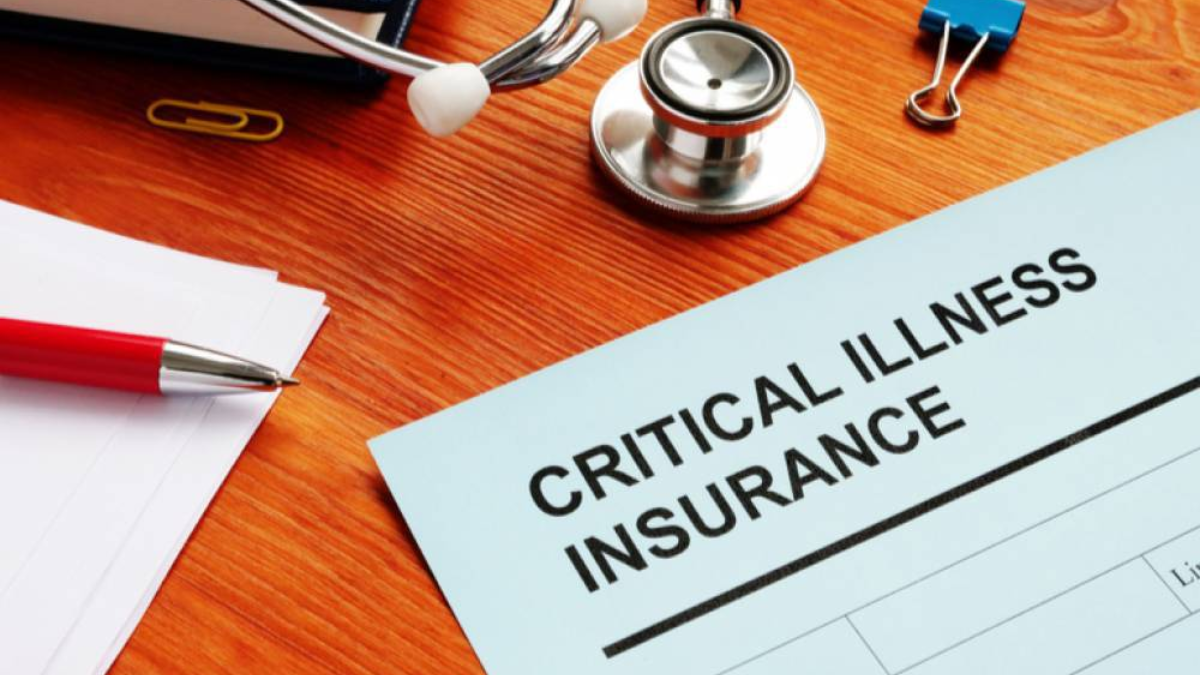
Critical illness insurance has become an increasingly important financial tool in today’s world, where major health conditions such as cancer, heart disease, and stroke are rising at an alarming rate. While health insurance covers hospitalization expenses, many people still face massive financial burdens due to income loss, long-term treatments, and non-medical expenses. This is exactly where critical illness insurance steps in. It provides a lump-sum payout upon diagnosis of a covered illness, allowing policyholders to concentrate on recovery rather than financial stress.
In an age of growing health risks, expensive medical care, and lifestyle-related diseases, critical illness insurance has emerged as a key component of personal financial planning. But a common question arises—do you really need it? This article dives deep into what critical illness insurance is, how it works, its benefits, key features, and whether you should consider adding it to your financial portfolio.
What Is Critical Illness Insurance?
Critical illness insurance is a type of health policy that provides a lump-sum payout if the policyholder is diagnosed with a severe, life-threatening illness listed in the policy document. Unlike regular health insurance, which reimburses medical bills, critical illness insurance offers a fixed lump-sum amount that can be used for treatment, recovery, lifestyle adjustments, income replacement, or any other purpose the insured deems necessary.
Key Characteristics of Critical Illness Insurance
- Provides lump-sum payout upon diagnosis
- Covers major illnesses like cancer, heart attack, stroke, kidney failure, and more
- Payout is not linked to actual hospital bills
- Funds can be used freely based on needs
- Has a waiting period and survival period
- Often available as standalone or rider policy
Why Critical Illnesses Are a Growing Concern
Modern lifestyles, stress, pollution, unhealthy food habits, and sedentary routines have significantly increased the chances of major health conditions. Many of these illnesses require long-term treatment, advanced medical procedures, and specialized care—all of which can be extremely expensive.
How Critical Illness Insurance Works
Understanding how this type of insurance functions helps you evaluate whether it fits your financial plan.
Step-by-Step Breakdown
Step 1: Choose a Policy
You select a critical illness insurance plan based on sum insured, premium, covered illnesses, and exclusions.
Step 2: Complete Waiting Period
Most policies have a 30–90 day waiting period before claims can be made.
Step 3: Diagnosis of Covered Illness
If diagnosed with one of the listed critical illnesses, you become eligible for a claim.
Step 4: Survival Period
Many insurers require you to survive for a certain number of days (usually 14–30 days) after diagnosis.
Step 5: Lump-Sum Payout
Once approved, the insurer pays the entire sum insured at once, regardless of the treatment cost.
Step 6: Free Use of Funds
The payout can be used for medical or non-medical expenses, income loss, home care, or family support.
Illnesses Typically Covered Under Critical Illness Insurance
The exact list varies by insurer, but most policies cover:
1. Cancer
Various stages of major cancers except early-stage cancer unless specified.
2. Heart Attack (Myocardial Infarction)
Severe cases requiring advanced clinical diagnosis.
3. Stroke
Permanent neurological damage resulting from stroke.
4. Kidney Failure
End-stage renal disease requiring dialysis or transplant.
5. Major Organ Transplant
Such as heart, lung, pancreas, or liver transplant.
6. Paralysis
Total and irreversible loss of muscle function.
7. Multiple Sclerosis
A progressive central nervous system disease.
8. Coronary Artery Bypass Surgery
Surgery to treat blocked coronary arteries.
9. Coma
Severe coma lasting a specific number of days with clinical proof.
10. Parkinson’s disease, Alzheimer’s disease, and more
Depending on the policy.
Benefits of Critical Illness Insurance
Critical illness insurance provides several meaningful advantages that regular health insurance cannot fully offer.
1. Lump-Sum Financial Support
The entire sum insured is paid at once, giving you total financial control. This helps with hospital bills, advanced medical treatment, medications, and lifestyle changes.
2. Income Replacement
Many people experience loss of income during prolonged illnesses. The payout ensures that household expenses continue smoothly.
3. Covers Non-Medical Expenses
Health insurance does not cover many non-medical expenses such as:
- Travelling for treatment
- Special diets
- Home nursing care
- Alternative therapies
- Physiotherapy
Critical illness insurance fills this gap.
4. Reduced Financial Stress
Families often struggle financially when a member suffers a serious illness. The lump-sum benefit offers vital emotional and financial relief.
5. Affordable Premiums
Premiums are relatively lower when purchased at a younger age. It is a great addition to basic health coverage.
6. Complements Existing Health Insurance
Critical illness plans work alongside existing mediclaim policies, offering more complete financial protection.
Do You Really Need Critical Illness Insurance?
Here’s the question most people think about: Is it necessary for everyone? The answer depends on multiple factors, including lifestyle, health risks, and financial preparedness.
You Should Consider Critical Illness Insurance If:
1. You Have a Family History of Major Diseases
Genetic predisposition increases your risk of developing conditions like heart disease, diabetes, or cancer.
2. You Have a High-Stress Job
Stress and sedentary lifestyles raise the likelihood of lifestyle diseases.
3. You Are the Sole Breadwinner
A prolonged illness can impact your income significantly. A lump-sum payout can help your family maintain financial stability.
4. You Want Coverage Beyond Health Insurance
Your regular health insurance only pays hospital bills but does not support income loss or long-term recovery costs.
5. You Live in a Metro City
Medical treatments in metro areas are significantly more expensive.
You May Not Need Critical Illness Insurance If:
1. You Already Have Sufficient Emergency Funds
If you have a large financial buffer, you may handle treatment and recovery costs more comfortably.
2. Your Employer Provides Comprehensive Coverage
Some employers offer critical illness riders or corporate policies with broad coverage.
3. You Are Covered Through Government Schemes
Some individuals have access to subsidized health care reducing the need for extra coverage.
Critical Illness Insurance vs Health Insurance
Understanding the distinction is important for effective financial planning.
Health Insurance
- Covers hospitalization bills
- Offers cashless treatment
- Subject to sub-limits and room rent caps
- Reimbursement-based features
Critical Illness Insurance
- Provides a lump-sum payout
- Not linked to hospital bills
- Covers long-term diseases
- Helps with income replacement
Both complement each other and serve different purposes.
Factors to Consider Before Purchasing Critical Illness Insurance
Investing in the right policy requires careful evaluation.
1. Coverage and List of Illnesses
Each policy lists a set of covered critical illnesses. Check whether major conditions are included.
2. Survival and Waiting Period
Shorter waiting and survival periods are preferable.
3. Claim Settlement Ratio
Choose insurers with an excellent payout record.
4. Premium Cost
Compare premium charges based on age, gender, lifestyle habits, and sum insured.
5. Exclusions
Be aware of exclusions such as pre-existing illnesses, early-stage conditions, and lifestyle-related complications.
6. Renewability
Opt for policies offering lifelong renewability.
7. Free-Use Payout
Confirm that the lump-sum amount can be used for any financial need, not just medical bills.
Common Challenges with Critical Illness Insurance
1. Strict Definitions of Illnesses
Conditions must meet exact medical criteria for claims to be approved.
2. Survival Period Requirements
If the policyholder does not survive the specified period after diagnosis, the claim may be rejected.
3. Partial Coverage
Some early-stage conditions may not qualify for payouts.
4. Pre-Existing Diseases
Policies often exclude illnesses diagnosed before the policy start date.
5. Long Waiting Periods
Some plans impose long waiting periods for specific illnesses.
Who Should Buy Critical Illness Insurance?
Critical illness insurance is particularly useful for:
- Working professionals
- Individuals with family medical history
- Self-employed people
- Primary earners
- People aged 30+
- Individuals with financial dependents
Buying early ensures affordable premiums and broader coverage.
Conclusion
Critical illness insurance plays a crucial role in protecting individuals and families from the financial impact of major health conditions. While regular health insurance covers hospitalization expenses, it does not account for income loss, long-term care, lifestyle adjustments, or non-medical costs. A critical illness plan fills this gap by providing a lump-sum payout that can be used flexibly based on individual needs.
Do you really need it?
In most cases—yes, especially if you have dependents, limited savings, a high-stress lifestyle, or a family history of major diseases. Critical illness insurance provides peace of mind and financial stability during some of life’s most difficult moments. By combining it with health insurance, you can create a robust safety net that protects both your health and your finances.
FAQs
1. What is critical illness insurance?
Critical illness insurance provides a lump-sum payout when the insured is diagnosed with a severe illness listed in the policy.
2. Does critical illness insurance cover hospitalization bills?
No. It pays a lump sum that can be used for treatment, recovery, or personal expenses.
3. Can I buy critical illness insurance along with health insurance?
Yes. It is designed to complement health insurance for comprehensive protection.
4. What illnesses are usually covered?
Common illnesses include cancer, heart attack, stroke, kidney failure, and major organ transplants.
5. Is critical illness insurance worth it?
Yes, especially if you want financial protection beyond regular health insurance and worry about long-term diseases.
